

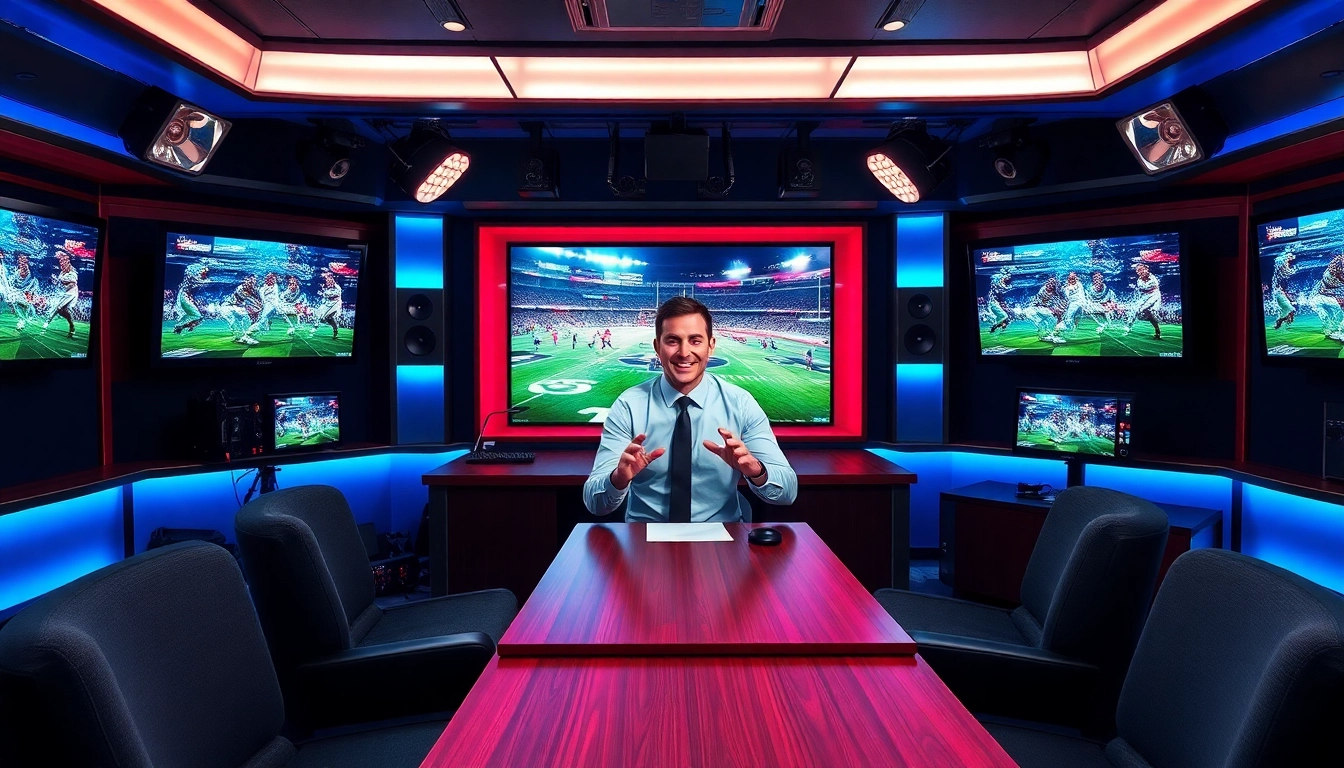
The Evolution of Sports Broadcasting
The Origins of Sports Broadcasting
Sports broadcasting has evolved from simple radio announcements to the immersive experiences we see today. The origin of sports broadcasting can be traced back to the early 20th century when the first radio broadcasts of sporting events captured the imaginations of fans who could not attend in person. As technology progressed, so did the methods of delivering sports content to the audience. The introduction of television in the 1950s marked a significant turning point, allowing viewers to watch live games, which fundamentally changed how sports were consumed. Today, Sports Broadcasting encompasses various platforms including traditional television, radio, and the increasingly popular streaming services.
Key Milestones in the Venue
The history of sports broadcasting is punctuated by key milestones that shaped its trajectory. The first televised sporting event occurred during the 1936 Berlin Olympics, showcasing sports to millions worldwide. In the 1980s, cable television began to dominate the broadcasting landscape; ESPN, launched in 1979, pioneered 24-hour sports coverage, significantly influencing how fans engaged with their favorite sports. The introduction of satellite broadcasting in the 1990s further revolutionized the game by providing access to a broader array of sports events across the globe. More recently, live sports streaming has emerged as a dominant force, allowing fans to watch events on-demand and from virtually any device.
Impact of Technology on Sports Broadcasting
Technology has played a critical role in enhancing the quality and accessibility of sports broadcasting. The development of high-definition (HD) and 4K technologies has significantly improved the viewing experience, providing sharper images and immersive details. Moreover, innovations like instant replay and various analytics tools have added layers of interaction and engagement to broadcasts. Virtual and augmented reality are also making their way into sports broadcasting, offering fans unique viewing experiences that were once thought impossible. As technology continues to advance, we can anticipate further developments in how audiences interact with sports content.
Understanding Sports Broadcasting Dynamics
Types of Sports Broadcasting
The realm of sports broadcasting is diverse, encompassing several formats tailored to different audience segments. These include live broadcasts, highlight shows, and sports news programming. Live broadcasts allow viewers to experience sporting events as they unfold, while highlight shows provide condensed versions of games, focusing on key moments that may interest fans. Additionally, specialized sports news programs offer analysis, interviews, and discussions, catering to the die-hard fan base that seeks deeper involvement beyond just watching games. Each type offers unique benefits that can enhance viewer engagement.
Roles and Responsibilities in a Broadcasting Team
An effective sports broadcasting team consists of several specialized roles that contribute to the overall success of the broadcast. Key positions include producers, directors, commentators, and technical staff. Producers oversee content creation, ensuring an engaging narrative that captivates viewers. Directors manage how the broadcast is visually presented, coordinating camera angles and graphics delivery. Commentators play a crucial role in providing insights and context. Technical staff ensure that all equipment is functioning and that the broadcast runs smoothly, troubleshooting any issues that may arise in real-time.
Challenges in Sports Broadcasting
Sports broadcasting is not without its challenges. One major hurdle is the need to adapt rapidly to technological advancements. Broadcasters must stay abreast of changing viewer preferences, particularly as audiences increasingly gravitate towards streaming platforms and personalized content. Moreover, logistical issues such as securing rights to broadcast events can pose significant challenges. There is also the constant pressure to deliver high-quality production amidst time constraints and the unpredictability of live events. Addressing these challenges requires flexibility and innovation in strategies.
Techniques for Effective Sports Broadcasting
Engagement Tactics for Broadcasters
Engagement is key in sports broadcasting, and broadcasters employ various tactics to maintain viewer interest. Interactive polling during live events allows fans to influence the discussion and feel a part of the action. Live social media interactions can also enhance viewer engagement by bringing conversations beyond traditional viewing platforms. Additionally, broadcasters can utilize gamification strategies, encouraging fans to participate in fantasy leagues or trivia during games, thereby creating a community around the sporting event.
The Importance of Storytelling in Broadcasting
Storytelling is fundamental in sports broadcasting. Effective broadcasters weave narratives around events, players, and teams, providing context that elevates the viewing experience. By highlighting personal stories, rivalries, and historical significance, broadcasters can create emotional connections between fans and the content being presented. Skillful storytelling transforms a series of plays into a compelling narrative, allowing viewers to invest emotionally in the outcome of the game.
Using Social Media for Enhanced Viewer Interaction
Social media has emerged as a powerful tool in sports broadcasting, serving both as a vehicle for delivering content and as a platform for engaging fans. Through Twitter, Facebook, Instagram, and TikTok, broadcasters can share highlights, behind-the-scenes content, and live updates, facilitating real-time interaction with viewers. Additionally, social media enables fans to express their opinions, share experiences, and participate in discussions, transforming passive viewers into active participants in the broadcast experience.
Trends Shaping the Future of Sports Broadcasting
The Rise of Streaming Services
The shift towards streaming services has significantly altered the landscape of sports broadcasting. Platforms like ESPN+, Amazon Prime Video, and others have begun to offer exclusive sports content, drawing fans away from traditional cable packages. This trend reflects a fundamental shift in how people consume media: a demand for flexibility, on-demand content, and personalized viewing experiences. However, this transition also poses challenges for broadcasters as they must adapt their content and strategies to engage an audience that is less tethered to traditional viewing methods.
Augmented Reality and Its Role in Broadcasting
Augmented Reality (AR) is gaining momentum in sports broadcasting, offering fans interactive viewing experiences that enhance engagement. Through AR, broadcasters can incorporate real-time statistics and graphics directly into the live broadcast, providing viewers with additional layers of information. For instance, during a live game, viewers could access player stats or historical matchups displayed in their field of vision via mobile devices or AR glasses. This innovative approach adds depth to the experience and caters to fans who crave more data and analysis.
Data Analytics and Viewer Experience
Utilizing data analytics is becoming increasingly essential in sports broadcasting. Broadcasters can analyze viewer behavior, preferences, and engagement metrics to tailor content that resonates with audiences. By understanding what captures viewers’ attention, broadcasters can refine their approach to deliver more personalized experiences. Data analytics can also enhance the quality of commentary and analysis, providing broadcasters with insights that foster more informed discussions during broadcasts.
Measuring Success in Sports Broadcasting
Key Performance Indicators (KPIs) to Track
Measuring success in sports broadcasting encompasses tracking various KPIs that analyze the impact and reach of broadcasts. Metrics such as viewership ratings, audience retention rates, and engagement levels on social media provide insights into what resonates with audiences. It’s also crucial to monitor revenue generated from advertisements and sponsorships, as these financial indicators can reflect the overall health of broadcasting operations. By carefully analyzing these KPIs, broadcasters can make data-driven decisions that enhance their strategy.
Analyzing Audience Engagement Metrics
Engagement metrics provide indispensable insights into how audiences interact with sports broadcasts. Metrics like average watch time, interactions on social media, and participation in polls or discussions offer a comprehensive overview of viewer engagement. High engagement levels often correlate with strong viewer loyalty, translating to sustained viewership over time. By understanding these engagement patterns, broadcasters can adjust their content and strategies to better meet audience preferences.
Strategies for Continuous Improvement
Continuous improvement is vital in the fast-paced world of sports broadcasting. Broadcasters should regularly assess their content, delivery methods, and audience feedback to identify areas for enhancement. Implementing A/B testing for different formats can unveil what resonates most with viewers. Furthermore, soliciting viewer feedback through surveys or social media can provide valuable insights that inform content strategies. Staying adaptable and responsive to audience needs will ensure that broadcasters remain relevant and engaging.
Frequently Asked Questions (FAQs)
What is sports broadcasting?
Sports broadcasting refers to the distribution of live sports events and related content across various platforms, including TV, radio, and streaming services.
How has technology impacted sports broadcasting?
Technology has enhanced sports broadcasting through improved image quality, data analytics, and interactive features, enriching the viewer experience.
What roles are involved in a broadcasting team?
A broadcasting team includes producers, directors, commentators, and technical staff, each responsible for delivering high-quality content and production.
What are some engagement strategies used in broadcasting?
Engagement strategies include interactive polls, live social media discussions, and storytelling to connect emotionally with viewers during broadcasts.
What future trends are shaping sports broadcasting?
Future trends include the rise of streaming services, the integration of augmented reality, and advanced data analytics for enhanced audience engagement.