Understanding the Importance of PPF Winter Road Salt Protection
As winter approaches, vehicle owners become increasingly concerned with road safety and vehicle maintenance. One of the primary threats to a vehicle’s exterior during this season is road salt, which can cause significant damage to paint and metal surfaces. This is where PPF winter road salt protection comes into play, offering a robust solution to shield vehicles against the harsh effects of winter driving conditions.
What is PPF?
Paint Protection Film (PPF) is a self-healing, clear polyurethane film that Protects the paint of vehicles from scratches, chips, and other environmental damage. Its design allows it to adhere directly to a car’s surface, creating an invisible barrier that maintains the vehicle's appearance while providing durability against various elements. PPF can be custom-fitted to any vehicle, and its application can cover entire sections or specific vulnerable areas such as hoods, bumpers, and side mirrors.
Why is Road Salt Harmful?
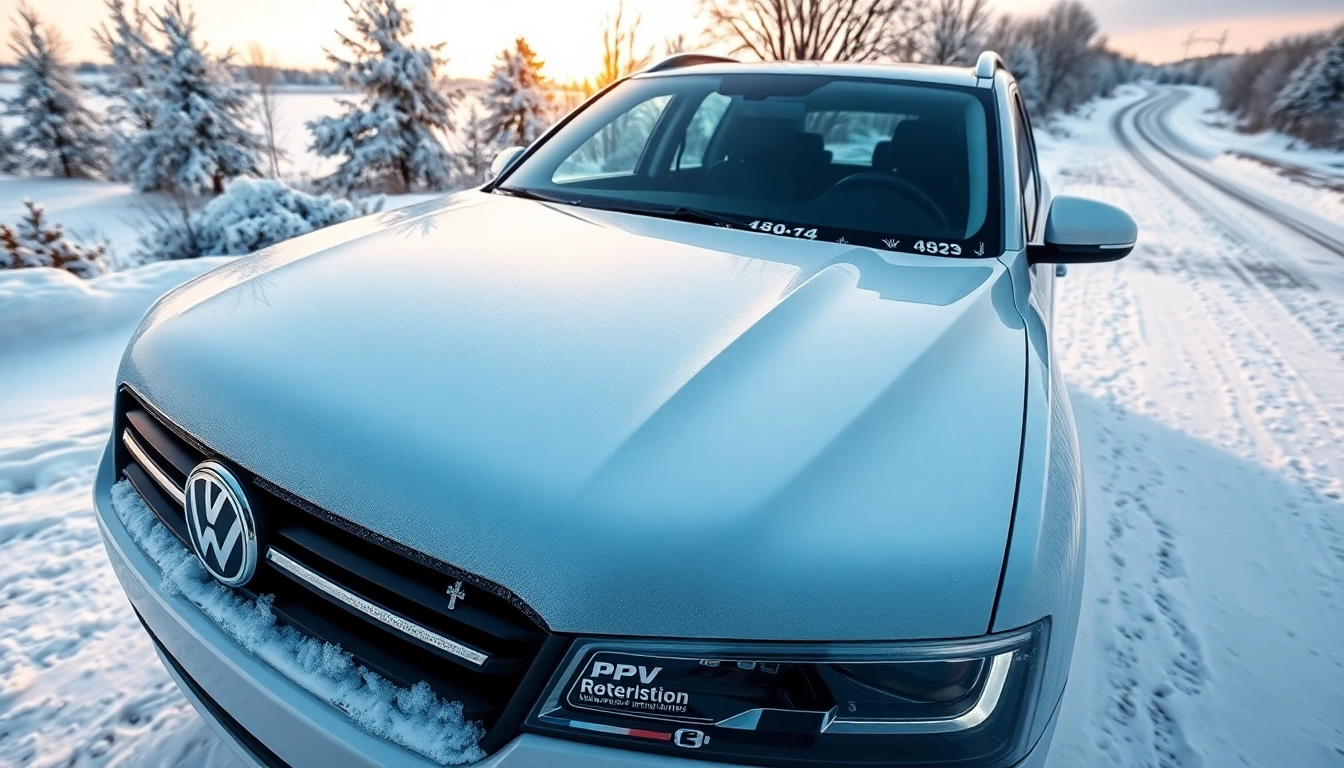
Road salt, primarily sodium chloride, is commonly used to de-ice roads. While it can improve traction on icy surfaces, it poses several risks to vehicles. When salt comes into contact with water, it creates a corrosive solution that can oxidize metal surfaces, leading to rust and structural damage. Furthermore, the high sodium content can erode paint finishes, resulting in chipped or peeling paint over time. This is particularly concerning for vehicles in regions with harsh winters, where road salt is abundant.
Benefits of PPF in Winter Conditions
Utilizing PPF during the winter months comes with significant advantages. First, its self-healing properties mean that minor scratches can disappear with exposure to heat from the sun or a warm garage. Second, PPF provides a strong barrier against salt, grime, and other contaminants, reducing the need for frequent car washes during the winter season. Moreover, it protects the vehicle's resale value by maintaining its aesthetic appeal and preventing corrosion-related damage.
Key Considerations for Choosing PPF
Factors to Evaluate in PPF Quality
When selecting a paint protection film, there are several key factors to consider. Look for films that offer UV resistance, which protects against discoloration and fading. The warranty period can also indicate quality—longer warranties suggest greater confidence in the film's durability. Additionally, check for features such as self-healing capabilities, which allow PPF to repair itself from minor scratches and scuffs.
Understanding Different PPF Types
There are different types of PPF available, ranging from standard films to premium, high-gloss options. Standard PPF provides adequate protection against scratches and minor impacts, whereas premium options can offer additional features such as hydrophobic properties to repel water and dirt. Choose according to your specific needs, driving conditions, and aesthetic preferences.
How Thickness Impacts Protection
The thickness of paint protection film plays a crucial role in its effectiveness. Thicker films (around 8mm or more) typically offer better protection against rock chips and debris. Conversely, thinner films may be more susceptible to damage but could provide improved clarity and stealth. When selecting a thickness, balance your protection needs with aesthetic considerations.
Installation Tips for Effective PPF Application
Preparing Your Vehicle for PPF
Before applying PPF, the vehicle's surface needs to be thoroughly cleaned. This involves washing it to remove dirt and grime, followed by a clay bar treatment to eliminate embedded contaminants. Next, use isopropyl alcohol to prepare the surface, ensuring it is free from oils and waxes that might affect adhesion. Adequate preparation is essential for a smooth installation and optimal performance of the film.
Best Practices for DIY Installation
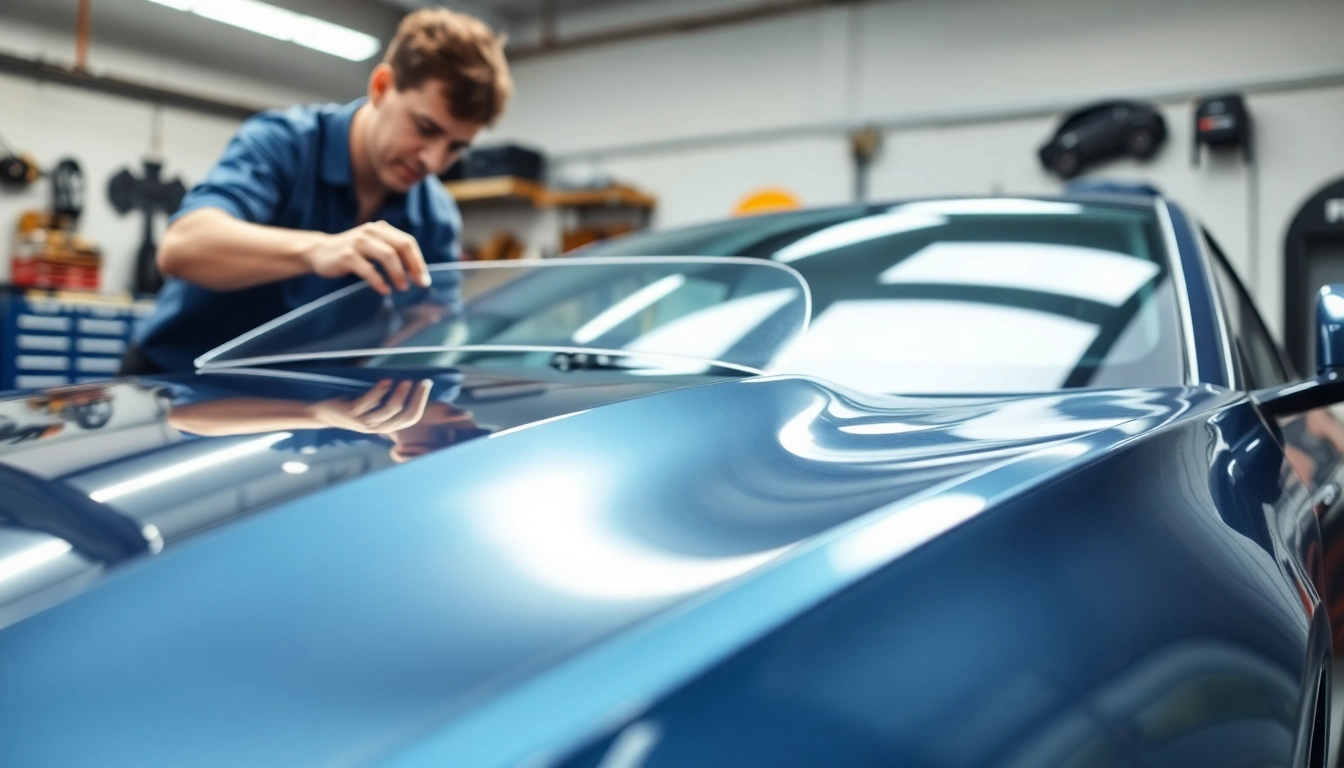
If you're opting for a DIY installation, use a well-lit and dust-free environment. Begin by measuring and cutting the PPF to the required sizes. It’s advisable to utilize a soapy solution as a slip agent during installation to allow for repositioning. A squeegee will help eliminate air bubbles, ensuring a smooth finish. However, practice caution—improper installation can lead to peels or wrinkles, which might diminish the film's protective properties.
When to Seek Professional Help
Installing PPF can be intricate and time-consuming. If you're not comfortable with DIY methods or lack the proper tools, it is best to seek professional assistance. Professionals have the experience, equipment, and expertise to install PPF accurately, ensuring a perfect fit and optimal durability. This can often save you time and the hassle of reapplication if the film is misaligned.
Maintenance Strategies for PPF in Winter
Cleaning Techniques to Maintain Clarity
Maintaining PPF during winter entails specific cleaning techniques to keep the film clear and effective. Use a pH-neutral car soap and avoid abrasive materials that could scratch the film. A microfiber cloth or sponge is ideal for washing; following up with a thorough rinse is essential. Consider using a ceramic spray coating afterward for additional hydrophobic properties.
Inspecting PPF for Damage
Regular inspections of PPF are vital, especially after winter driving. Look for signs of lifting, bubbles, or discoloration. Early detection can prevent further damage and extend the film's life. If damage is found, you may need to reapply sections or the entire film, depending on the extent of the wear.
How to Reapply After a Season
After winter, reapplication of PPF involves removing the existing film carefully. Employ a heat gun to loosen the adhesive, making it easier to peel off without damaging the underlying paint. Follow the preparation steps outlined earlier to ensure a clean surface before installing fresh PPF for the upcoming season.
Long-Term Performance and Cost Considerations
Evaluating PPF Longevity
PPF is designed to last several years, but its longevity can be affected by environmental conditions and maintenance. High-quality films can endure up to 10 years or more with proper care. Factors such as exposure to UV rays, harsh weather conditions, and regular maintenance all play a role in how long the film lasts. Regularly washing and inspecting the film can help maintain its performance and appearance.
Cost vs. Value of PPF
The cost of PPF varies based on the vehicle’s size, the quality of the film, and the complexity of installation. While the initial investment might seem significant, the long-term savings associated with reduced paint damage and improved resale value make PPF a wise investment. It’s crucial to weigh the upfront costs against the potential savings over time.
Performance Metrics to Monitor
To maximize the benefits of PPF, keep track of performance metrics such as clarity retention, scratch resistance, and resilience to environmental factors. Regular assessments will help you determine whether the film is performing effectively or if replacement is necessary, ensuring that your vehicle remains well-protected year-round.
Frequently Asked Questions
What is the lifespan of PPF?
PPF can last anywhere from 5 to 10 years, depending on the quality of the film and maintenance practices.
Can PPF be removed without damage?
Yes, when properly heated, PPF can be removed without damaging the vehicle's paint.
Is PPF worth the investment?
PPF is often worth the investment, as it protects your vehicle's paint and can enhance resale value.
Can I wash my vehicle after PPF installation?
You should wait at least 3-7 days after installation before washing your vehicle, allowing the adhesive to set properly.
Is professional installation necessary?
While DIY installation is possible, professional installation is recommended for the best fit and performance.